What do you get in a snail mail subscription? 25 things that arrive by post
Most of what comes through the letterbox these days wants something from you.
A bill to pay. A renewal notice to answer. A catalogue from a shop you visited once in 2019.
So, it is no small thing when an envelope arrives that wants nothing at all, except to be opened.
That is the quiet appeal of a snail-mail subscription. You pay a monthly amount and something real turns up in return: paper you can hold, read at the kitchen table and keep in a drawer for years.
No password required. No notification demanding your immediate attention. No screen at all.
If you have never subscribed to anything by post, the variety may surprise you. So, what do you get in a snail mail subscription? Here are 25 things that can arrive, grouped roughly by what you might do with them.
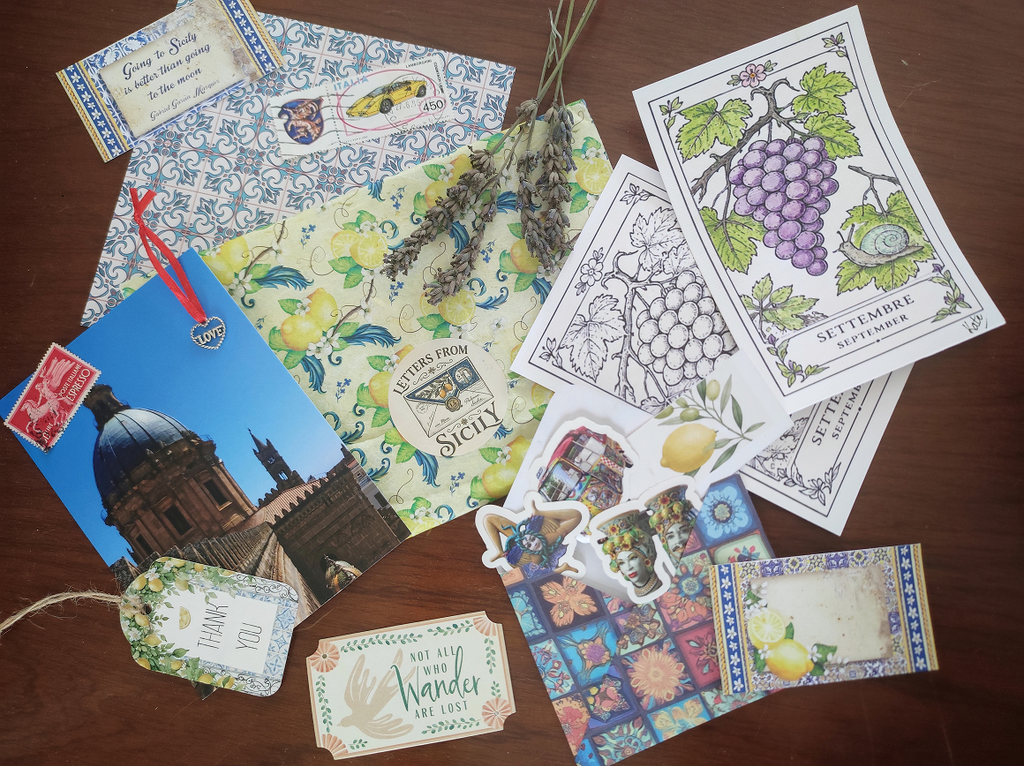
Letters and other things to read
1. Letters from a particular place
These are letters written from somewhere specific, describing what is actually happening there that month: the harvest, the weather, a local festival, an unexpected visitor or a neighbour’s argument over a boundary wall.
The best ones feel like news from a friend who happens to live somewhere you have always wanted to know better.
Our own letters are sent from Western Sicily.
2. Handwritten notes
Some subscriptions include a handwritten note from the person who created or packed your post. It may only be a few lines, but handwriting makes even a small message feel personal.
It is also becoming increasingly rare, which is part of its appeal.
3. Serialised fiction
A novel or novella arrives one chapter at a time.
Serialised stories became enormously popular in the nineteenth century, when readers waited impatiently for the next instalment. The idea still works. When you cannot skip ahead, anticipation becomes part of the pleasure.
4. Mysteries told through letters and clues
These subscriptions might contain fictional letters, case files, newspaper cuttings, coded messages and pieces of “evidence” that allow you to solve a mystery.
They are particularly good for people who read the final page of a crime novel first and need to be physically prevented from doing so.
5. Historical letters and travel writing
Old letters, diaries and travel accounts can be republished in monthly instalments, sometimes with historical notes, photographs and maps.
Reading a traveller’s impressions of Sicily from more than a century ago reveals both how much the island has changed and how much it has not.
Our Susan’s Sicily is just that sort of letter.
6. Poetry and short essays
A single poem or short essay, printed on good paper and sent through the post.
It is small enough to read while the kettle boils, but thoughtful enough to stay with you for the rest of the day.
7. Mini-zines and independent publications
Zines are usually folded, stapled or stitched by hand. They may be professionally printed or produced on an elderly photocopier that adds character whether the creator intended it or not.
They cover everything from gardening and local history to bread-making, illustration and one person’s strongly held opinions about fonts.
Paper to keep or use
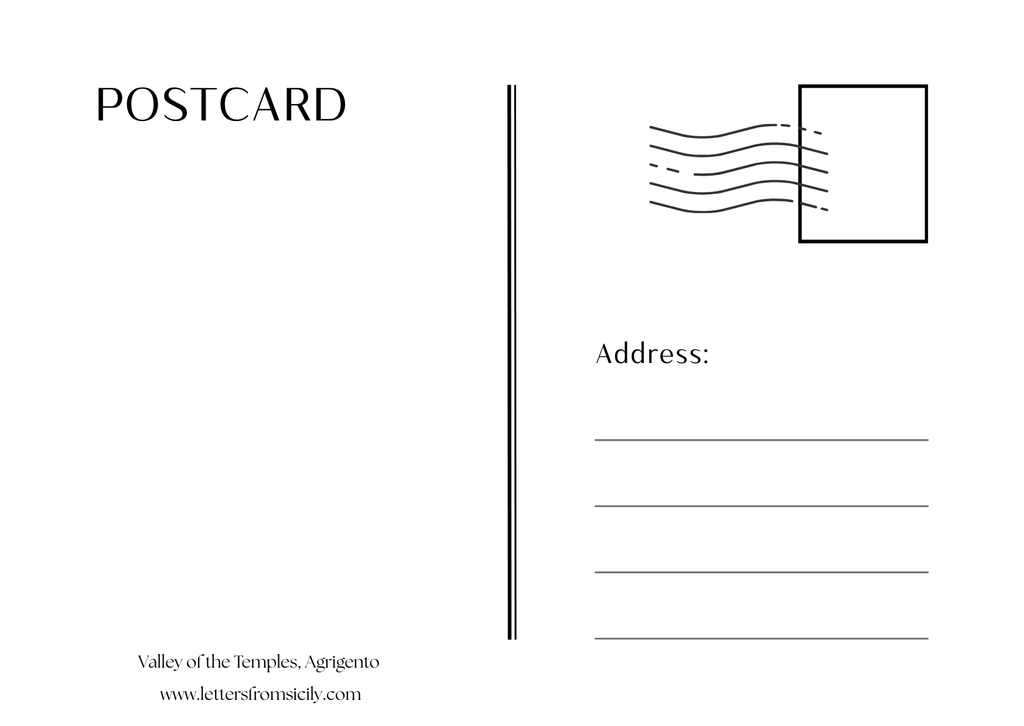
8. Postcards
A picture on one side and a few handwritten lines on the other.
Postcards are an easy introduction to receiving personal post. They can be pinned to a board, used as bookmarks, framed or simply kept in a box to be rediscovered years later.
Our Postscript subscription is for people who want a monthly view of Sicily and a personal message, without the longer read.
9. Recipe cards
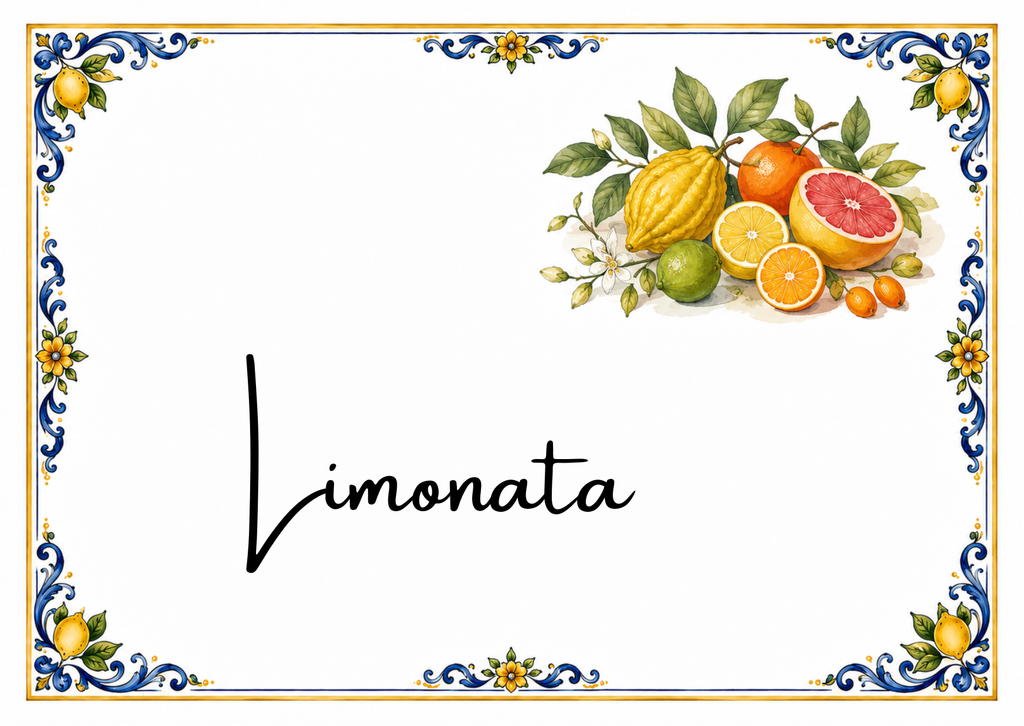
A regional recipe printed on card and sized to fit inside a recipe box.
The best recipe cards provide more than a list of ingredients. They explain where the dish comes from, when it is traditionally eaten and why one Sicilian family will insist that every other Sicilian family is making it incorrectly.
10. Journal prompts
A question, idea or short writing exercise designed to get the pen moving.
Journal prompts are particularly useful for people who own several beautiful notebooks but are reluctant to spoil the first page.
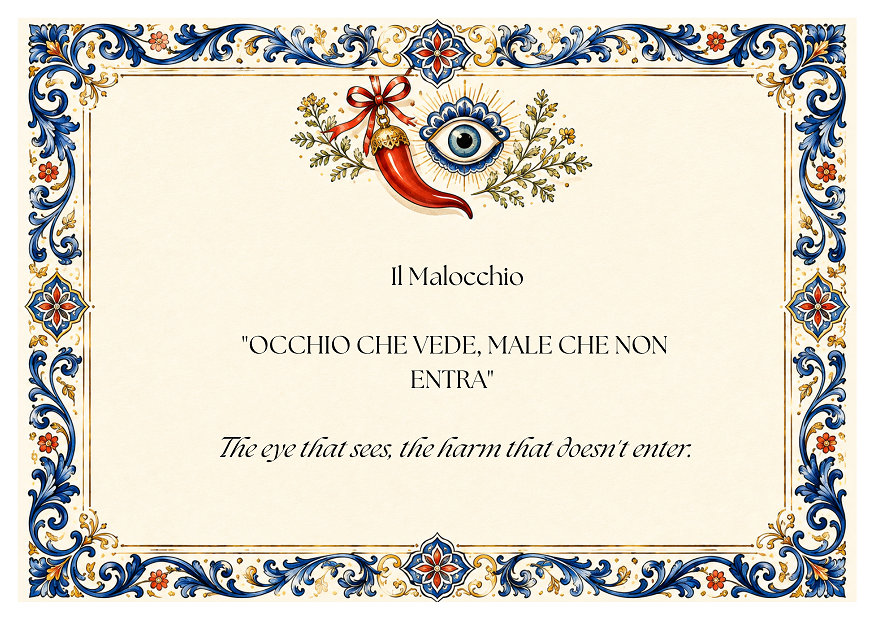
11. Folklore, proverbs and superstitions
Local sayings, curious beliefs and the small rituals people continue to observe, even while insisting that they are not superstitious.
Sicily provides plenty of material: unlucky days, protective charms, household warnings and firm instructions about what must never be placed on a bed.
12. Art prints and illustrations
Small botanical drawings, linocuts, watercolours, photographs and reproductions of old engravings are often included in art-based subscriptions.
Many are produced in standard sizes so they can be framed or displayed without requiring a visit to a bespoke framer.
13. Greeting cards and blank notecards
A small supply of attractive cards is useful to keep in a drawer for birthdays, thank-you notes and unexpected occasions.
They may also encourage you to send some post of your own.
14. Scrapbooking paper and ephemera
This might include patterned paper, labels, tickets, tags, receipts, maps and other decorative scraps for journals and scrapbooks.
Ephemera is one of those things you do not realise you want until a small bundle arrives and you immediately begin deciding which pieces are too nice to use.
15. Pressed flowers and botanical specimens
Pressed flowers can be delicate and beautiful, particularly when included with botanical artwork or information about the plant.
However, many countries restrict the importation of plant material. International subscribers should check the rules for their own country, and senders should only include specimens that can legally be posted to the destination.
Things to collect
16. Postage stamps
Some subscriptions include used or mint stamps, perhaps accompanied by a note explaining the person, place or event shown on them. Letters from Sicily often slips in a few used stamps in their letters.
Stamp collecting never disappeared. It simply became quieter about it.
17. Maps
These may be reproductions of vintage maps, illustrated town plans or hand-drawn maps of small local areas.
A map tells you more than how to get somewhere. It also shows what the mapmaker believed was important enough to record.
18. Stickers and washi tape
Stickers and decorative tape are popular with journal keepers, scrapbookers and letter writers.
They are also popular with any child under twelve who happens to be standing nearby when the envelope is opened.
19. Bookmarks
Bookmarks may be illustrated, printed, embroidered, painted or decorated with pressed flowers.
You can never have too many because most of them will eventually disappear inside books.
20. Wax seals and specially sealed envelopes
Some subscription letters arrive closed with a wax seal. Others create a larger experience with packets, folded papers or several envelopes that must be opened in order.
It introduces a little ceremony to opening the post and encourages you to slow down.
Small Surprises and Activities
21. Charms and small keepsakes
A subscription may contain a small object connected with the month’s theme: a miniature key, a medallion, a lucky token or a traditional protective charm.
Physical objects sent internationally may require customs declarations and can sometimes attract duties or handling charges. This is worth checking before subscribing, particularly if a service regularly includes merchandise.
22. Seed packets
Receiving seeds from a distant garden sounds lovely. Unfortunately, seeds are tightly controlled by many countries because they can carry pests and plant diseases.
In the United States, for example, many imported seeds require a USDA permit or must meet specific conditions. Australia and New Zealand also have strict biosecurity rules. Seed subscriptions are therefore generally better suited to domestic rather than international post.
23. Tea samples and herb sachets
Small samples of tea, dried herbs or scented sachets fit easily into an envelope.
As with seeds and other plant products, import rules vary. These subscriptions are simplest when the sender and recipient are in the same country.
24. Language cards and regional expressions
A few useful words or expressions may arrive each month, accompanied by pronunciation guidance and an explanation of when people actually use them.
It is slower than a language app, but a phrase encountered on paper can be surprisingly memorable.
25. Puzzles, ciphers and activity sheets
Crosswords, word searches, coded messages, quizzes and logic puzzles give you something to do with a cup of coffee on a quiet Sunday.
They can be included as part of a themed subscription or sent as the entire point of the envelope.
How to choose a snail mail subscription
Before subscribing, a few practical questions will help you find one you will genuinely enjoy.
How often will it arrive?
Monthly is the most common schedule. Weekly post can quickly become overwhelming, while quarterly post may be so infrequent that you forget you subscribed.
Is it personal or personalised?
These are not quite the same thing.
Most letter subscriptions send the same main letter to every reader. That does not prevent the writing from feeling warm and personal. What matters is whether the writer shares real, specific stories rather than producing something that sounds as though it was written for nobody in particular.
Does it ship to your country?
International post takes longer and costs more. Certain foods, seeds, plants and physical objects may also be restricted or require customs paperwork.
Paper is usually the simplest and most reliable traveller.
Is postage included?
A low advertised price may not include postage, particularly for international subscribers. Check the final monthly cost before making your decision.
Will you use or keep what is included?
A large envelope is not necessarily better value if it contains things you will immediately throw away.
If you mainly want something interesting to read, choose a letter-only subscription. If you enjoy journalling, scrapbooking or collecting paper pieces, a larger envelope may suit you better.
What arrives from Letters from Sicily?
Letters from Sicily is written and posted from our 18-acre farm near Castelvetrano, on Sicily’s western coast.
Each month I write about life on the island and on the farm: the olive harvest that did not go according to plan, a feast day in a nearby town, somewhere worth taking the wrong road to find, the people we meet and the ordinary events that reveal something about how Sicily really works.
These are not newsletters dressed up as letters. They are proper, chatty letters, usually three or four pages long, signed, sealed and posted from Sicily.
You can choose how much Sicily you would like to find in your letterbox:
- The Postscript, $8.50 a month: A photographic postcard from Sicily with a handwritten message.
- Just the Letter, $9.99 a month: The monthly letter on its own.
- A Taste of Sicily, $12.50 a month: The letter, a Sicilian recipe card, a sticker and a small monthly surprise.
- The Collector’s Post, $18.50 a month: The letter, a postcard, two recipe cards, three stickers, a journal prompt, ephemera and a small monthly surprise.
Worldwide postage is included, and you can cancel at any time.
Subscribe by the 23rd to join the following month’s mailing. Letters are posted from Sicily on the first Monday of each month.
If you would like something in your letterbox that asks nothing of you except to be opened, you can explore all four subscriptions at Letters from Sicily Subscriptions
We offer a try before you buy option. Read one of our subscriber letters for FREE. This letter was sent to our subscribers in August, 2026.