The decapitated caper bushes
As a family, we love capers. Perhaps not to everyone’s taste, but we love the slightly salty, tangy addition to salads and various pasta dishes. After all, after nearly fifteen years of living in Italy, capers are firmly a pantry staple.
So I decided last year to purchase two caper bushes and plant them in my garden. Making sure the holes were deep enough, and that they would enjoy plenty of daily Sicilian sunshine, I inspected them daily to watch their progress.
One morning I went out and discovered, to my horror, that both bushes had been brutally decapitated by my overly-enthusiastic son with a brush cutter. In the same year, the caper bushes suffered the same fate once more — before I built a protective stone barrier around the one surviving plant. The other had decided that life on this farm really wasn’t worth living.
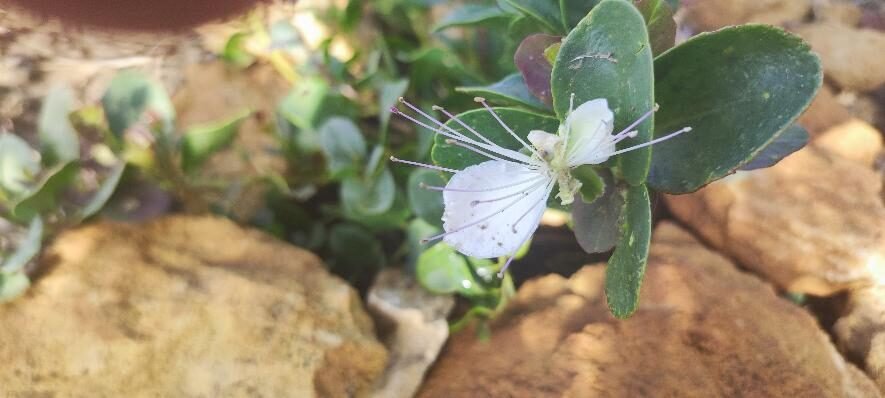
This morning, my heart leapt with pure joy. After much fussing and nurturing, I have been rewarded with its first flower. And what a beautiful flower — pure white, with ridiculously long stamens.
Which made what I saw last Sunday all the more bittersweet.
We took a leisurely trip down the coast to see the Turkish Steps. Afterwards, travelling south for just a few minutes, we stumbled upon Roman villa ruins with beautiful, intricate mosaic floors overlooking the beach. I could only imagine the life they must have lived in that large villa, with a plunge pool overlooking the ocean.
Within the garden, however, grew a row of caper bushes now so large that to call them shrubs would be more accurate. Nobody had bothered to pick the capers when they were buds. They had morphed into fat, green caper berries.
I was envious.
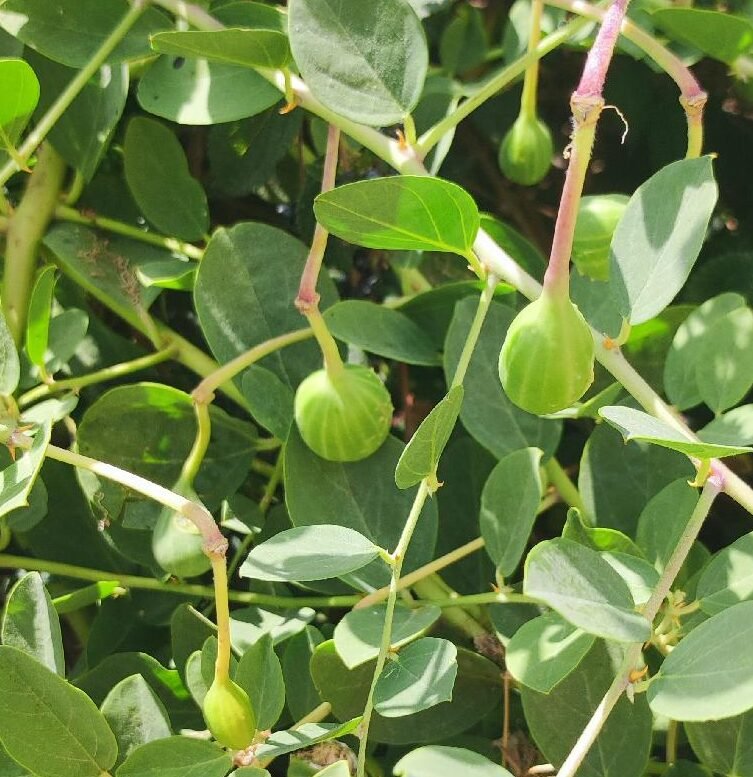
I can only hope that one day, if my caper bush survives — and suffers no further mutilations — it will still be here decades after I am no longer on this planet, quietly bearing fruit for someone else to enjoy.

Kate
Kate writes Letters from Sicily from her coastal farm on the island, where the olive trees are heavy with fruit in October, six cats supervise everything, Fergus the Jack Russell believes every visitor has arrived especially to see him, and another letter is already beginning to take shape.

