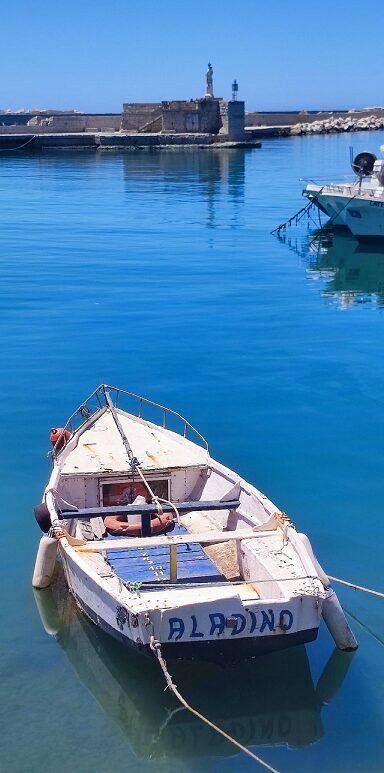
Why I write Letters from Sicily
“If you can’t come to Sicily, let Sicily come to you.”
There is a moment each morning, just before the heat begins to settle over the valley, when everything is wonderfully undecided. It’s a new day where the day will unfold where it wants to.
The swallows are already awake, stitching invisible lines across the sky. Somewhere beyond the olive trees a tractor coughs into life, and the church bells from a neighbouring village drift across the fields a few seconds later than they should, softened by distance.
It is my favourite part of the day. Here we expect the unexpected and we are never disappointed.
By eight o’clock the light has changed completely. The limestone walls begin to glow, the cicadas find their voice, and Sicily becomes the island most visitors recognise. But for a few quiet moments beforehand, it belongs almost entirely to itself.
This is the Sicily I hope to share with you.
Not simply where to go, but what it feels like to be here.
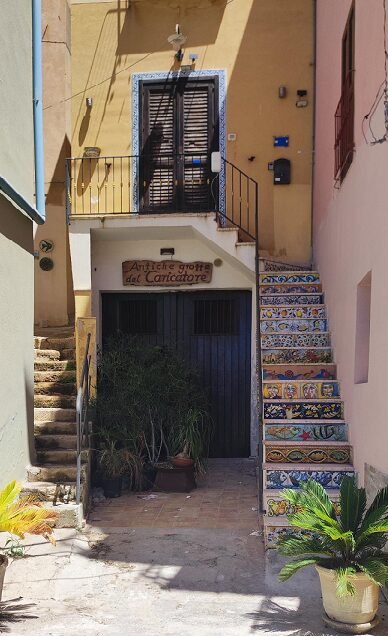
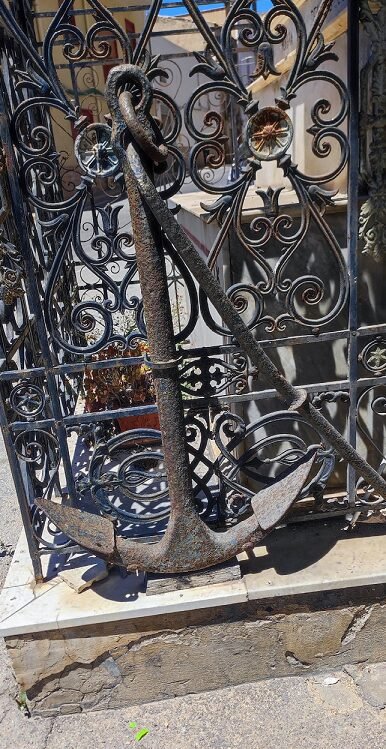
People often ask why I write Letters from Sicily. The easy answer is that I wanted to write about the island I now call home. I want to leave this window into my life for my grandchildren to discover, and perhaps, my greatgrandchildren after them. However, more importantly, I was afraid I would forget the little things.
The shepherd who appears each morning with hundreds of sheep flowing down the road like a river of wool instead of water.
The neighbour who leaves figs at the gate without saying a word.
The first smell of jasmine drifting through an open window on an evening when the heat finally begins to loosen its grip.
None of these moments would ever appear in a guidebook, yet together they tell you more about Sicily than any itinerary ever could.
Tomorrow I’m going into Palermo. A chaotic but vibrant city that is impossible to forget.
Most visitors know the city’s grand churches, lively street markets, the old Arab quarter, and magnificent palaces. I’ll certainly wander through some of those again too. But the place I’m most looking forward to visiting is hidden inside an old convent I’ve recently discovered.
For centuries, cloistered nuns quietly baked extraordinary pastries behind its walls. Their recipes became part of Palermo’s culinary history, even though the women who created them rarely stepped outside. Some of the pastries carry names that are unexpectedly mischievous—proof that even convent life left room for humour, and sometimes, even irreverence.
One in particular still makes me smile every time I think about it.
Tomorrow, I’m hoping to learn not just how these recipes are made today, but why they mattered. Why these kitchens largely disappeared and the women behind this particular kitchen’s revival. Who wrote the recipes previously passed from nun to nun in whispers, closely guarded, never written down? Which stories have survived alongside the cakes themselves?
Those are the questions that interest me most these days.
Because food is rarely just food.
A recipe carries migrations, celebrations, family arguments, harvests, shortages, inventions and small acts of generosity. Every dish has travelled through countless hands before arriving on a plate.
Those are the stories I want to collect. Stories where some remain in the past and others, thankfully, have been preserved and dragged into the present.
If you’ve subscribed here, thank you for joining me at the beginning.
Some posts will take us into village festivals. Others into quiet kitchens, forgotten workshops, fishing harbours, mountain towns or conversations that begin over coffee and somehow last until lunch.
We’ll visit famous places from time to time, but we’ll spend just as much time noticing the details between them.
After all, those are usually the things we remember longest.
Until next time,
Kate
Writing Letters from Sicily from my coastal farm, where my olive trees are heavy with fruit from October, six cats supervise everything, Fergus the Jack Russell believes every visitor has arrived especially to see him, and another letter is already beginning to take shape.

Kate
Kate writes Letters from Sicily from her coastal farm on the island, where the olive trees are heavy with fruit in October, six cats supervise everything, Fergus the Jack Russell believes every visitor has arrived especially to see him, and another letter is already beginning to take shape.
